 Andrei Kalamkarov
Side quest: bring an old project back to life
The best AI project might be one you already started years ago.
I talk about AI a lot. The most common question I get is some version of “where do I start?” or “what should I build?”
My answer has become simple: pick a side quest. Something small, low-stakes, and actually interesting to you. There are many good side quests. This is one of them: bring an old project back to life.
An old website, a dead blog, a photography portfolio that you let go, or a side project that broke when the servers got upgraded. Pick something you still care about but never quite had the time to fix.
That kind of project is a great fit for AI. It has real problems and low consequences. It also comes with content and assets you can already use. And unlike most tutorials, this is a project you actually care about. It might even bring back memories from something you used to love working on.
The side quest that made it click
Sometime in February, a teammate shared a Wayback Machine link to the first-ever website of the university I work at, from 1997.
Right away, an idea popped into my head for an April Fool’s prank: a server crash that “rolls back” the live site to v1, the 1997 home page. A few years ago, I would have filed this under “fun idea, not worth the hours.” Now the effort is different.
I prompted Claude Code and let it run while I was focusing on my regular day’s work. When I came back, the crash animation nailed it on the first try. So I asked Claude Code to rebuild the whole 55-page site and let it run in the background, without getting too involved.
This was the project that shifted how I think about AI tools. Before this, I was using Cursor in Editor Mode, where my code was front and centre and AI was the sidekick. This project flipped that. The agent did most of the building and I steered from time to time.
Rebuilding from the Wayback Machine
The Wayback Machine has been preserving the public web since 1996. The old content was never gone, but recovering it was tedious. You had to click through archived pages one by one, copy markup, clean paths, chase missing images, rebuild navigation, and stitch the thing back together. For a full site, easily two or three weeks of manual work.
AI handled the recovery: crawling the archive, cleaning markup, and rebuilding the file structure.
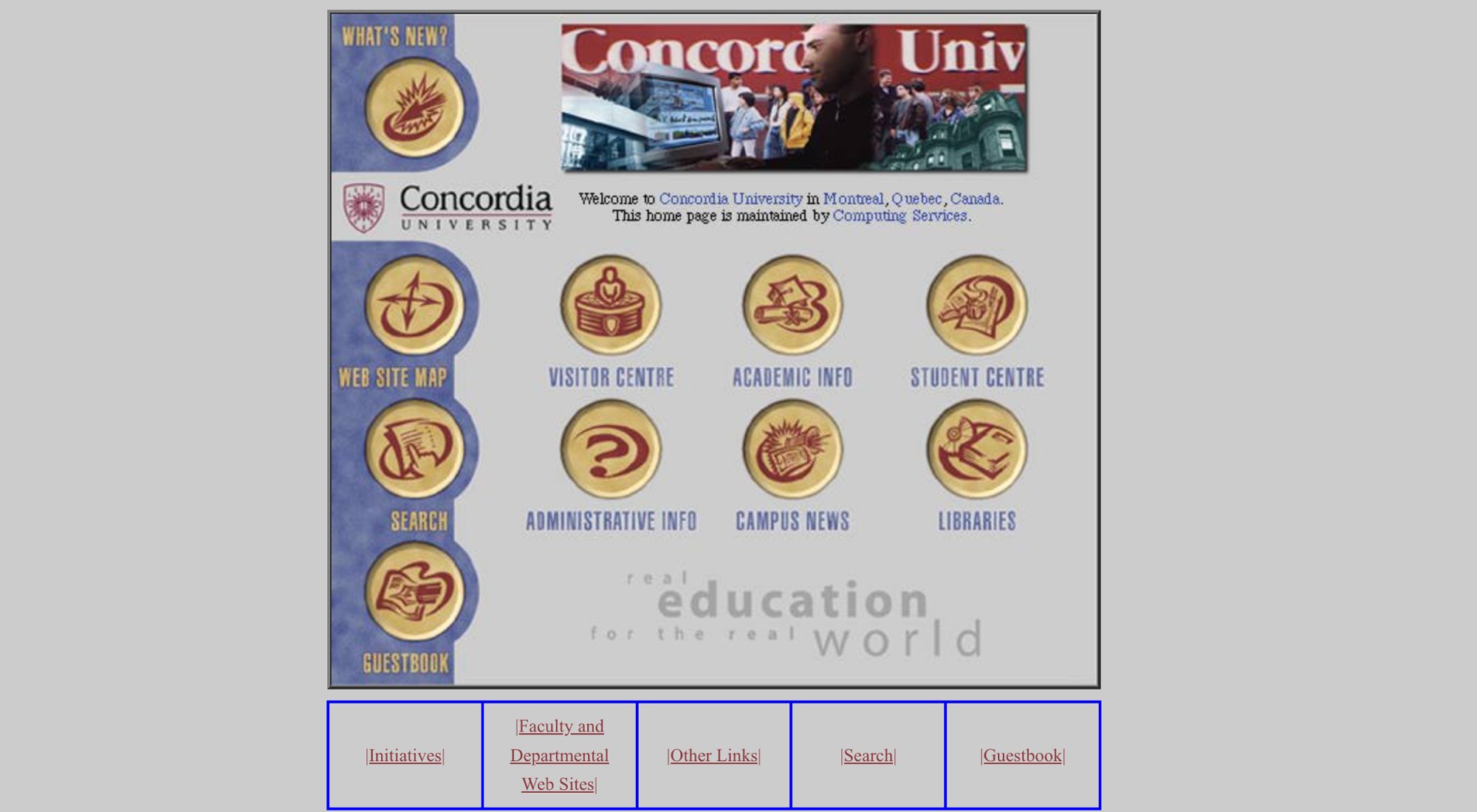
Once the structure was rebuilt, I asked AI to compare the 1997 content against today and flag what changed. Some of what it found was wild. The homepage auto-played a MIDI rendition of Dave Brubeck’s “Take Five” on infinite loop. No consent, no pause button. Just jazz. The library recommended Alta Vista, Yahoo, and Lycos as search engines. Students left messages for each other on a physical board in the Dean’s office.
It went live on April 1. Many people loved it! But the interesting part wasn’t the nostalgia. It was how the work changed. From there, I let the agents run in the background a lot more and stepped in when they needed direction.
April Fool’s helped, too. In a large institution, it’s one of the few moments when “because it’s fun” can be the whole justification. That gave me room to try something that would never survive a normal intake process.
A few years ago, this would have taken weeks and never gotten approved. AI made it easy enough to try. I learned more from this project than I expected, and I only tried it because it was small enough to do for fun.
Database archaeology
Shortly after, I did the same thing for a personal site.
Lounge37 is a street art and photography website I used to run with friends in the early 2000s. This project shaped my career in web development. The original PHP code and MySQL database were too outdated to function, but I still had all the image files.
Together with the broken code, database export, and the Wayback Machine reference, I asked Claude Code to rebuild the entire site from that snapshot in time.
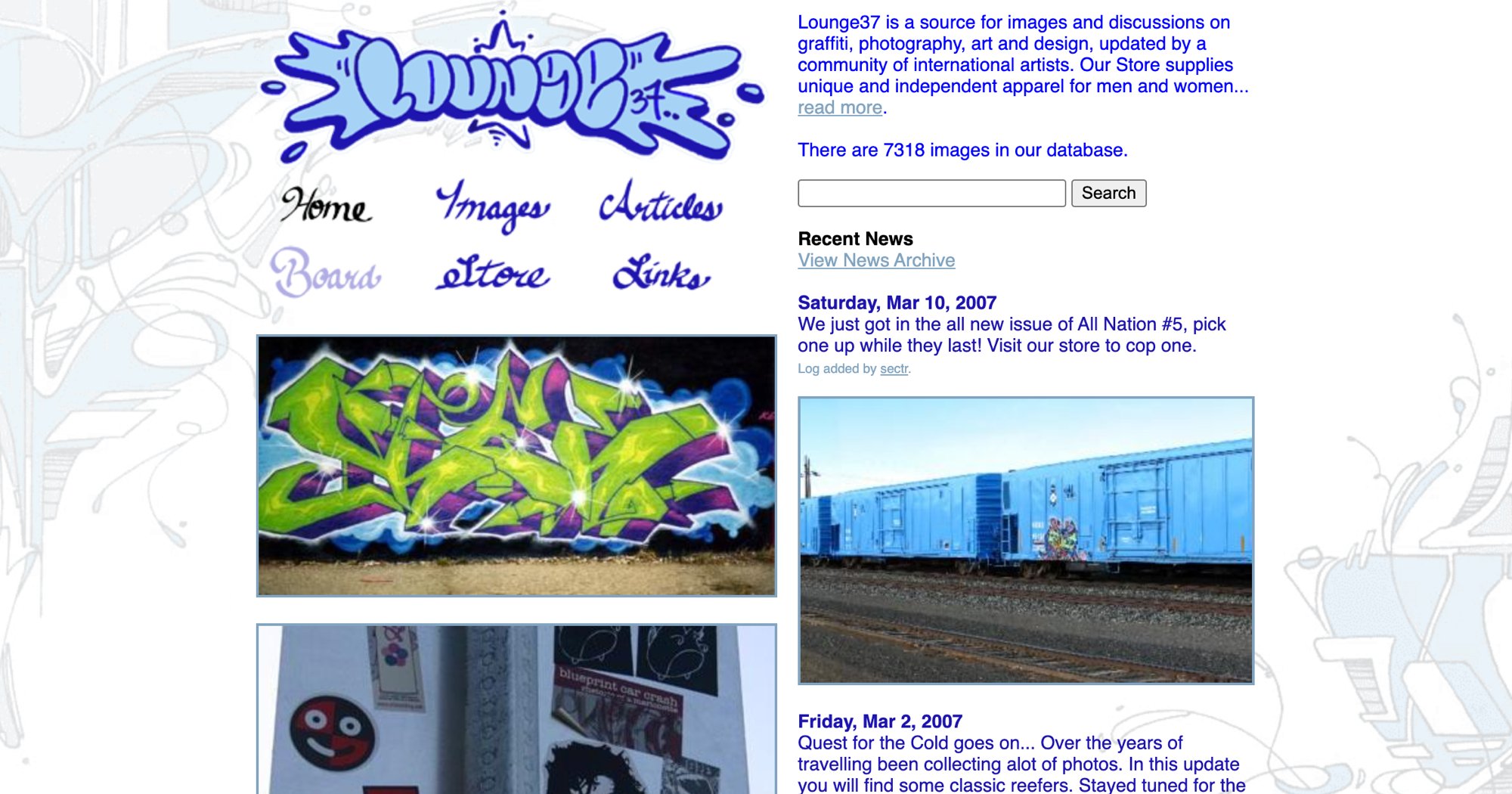
Unlike the university site, this project was much larger: over 7,000 images from 10+ contributors, organized in 270+ categories, a news archive, a product store, and artist interview articles.
This wasn’t just a static archive, either. I also wanted it to feel browsable again, with random images on the home page, category browsing (prev and next links), and image search.
Why old projects work
Old projects are full of useful starting material: your old photos, writing, web structure, and decisions. They give you a clear scope: re-create what you had, using what you still have.
Because you remember how it worked, you can tell when AI gets it wrong. But doing it manually would take weeks. That’s why you never got around to it. Now you let AI handle the tedious parts. It still takes iteration, but the work becomes more about reviewing and steering than rebuilding every piece by hand.
If you’re lucky, you might also have backups, old exports, or database dumps on a hard drive somewhere. Combined, you may have enough to rebuild.
A whole category of “too expensive to bother with” work became weekend-sized.
What could you bring back?
Maybe it’s a personal blog that died when you switched platforms, a photography portfolio from your student years (now a dead link on your Facebook profile), a company microsite that got lost in a migration nobody fully finished, or a hobby site that still exists but only technically.
It could also be a family archive, a student project, or a half-finished tool you still think about once a year.
One thing to be mindful of: respect content that isn’t yours. The university rebuild stayed on Concordia’s internal infrastructure because the content was theirs. Lounge37 belonged to me and my friends.
Often, the material is still somewhere, buried on your old server or a hard drive. It may be in complete disarray. That’s fine. AI won’t fix it perfectly, but it can help sort through the mess and show you what’s usable.
Most old content didn’t disappear. It just fell below the effort line.
The projects you used to care about are within reach again.